

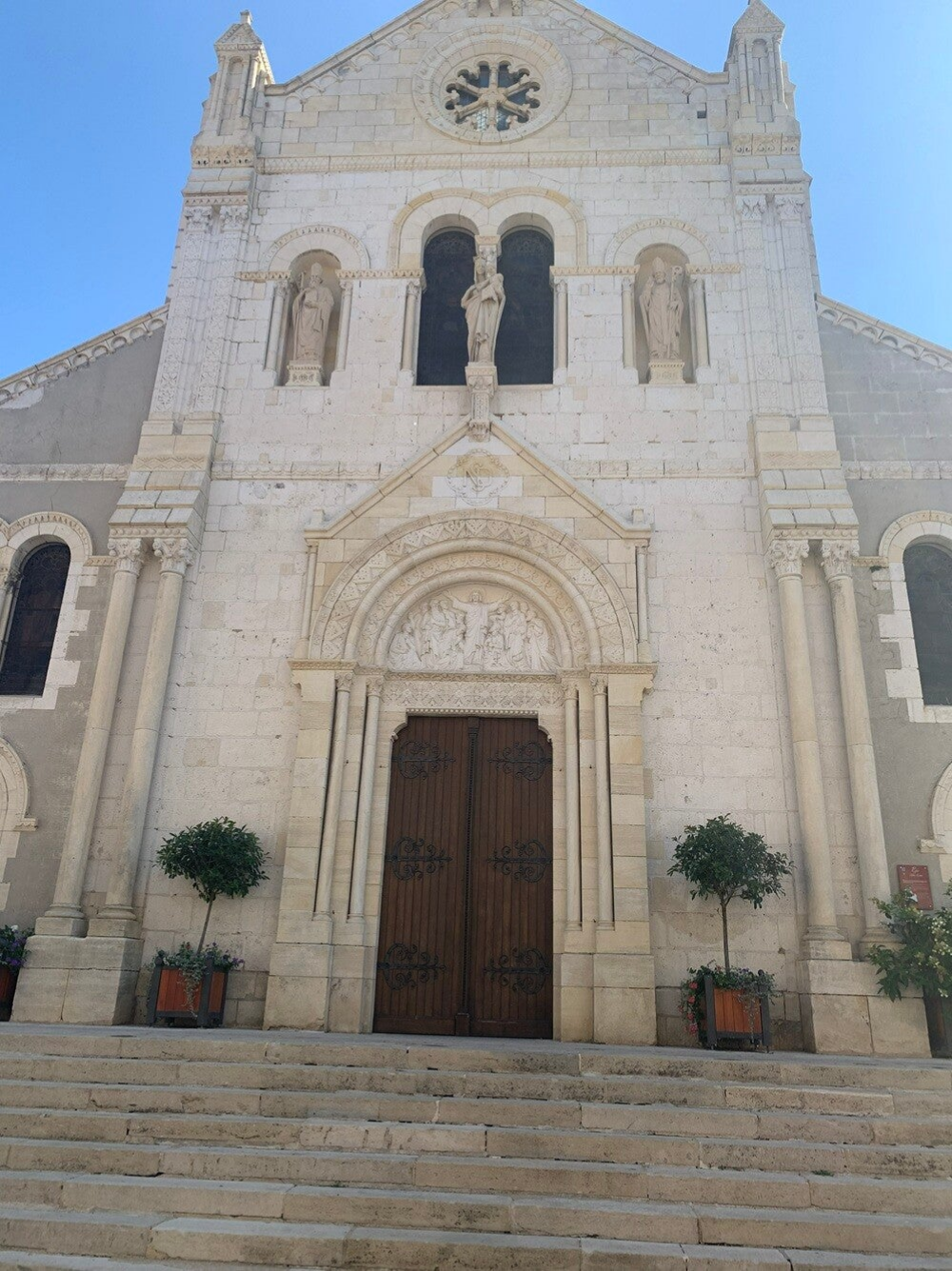
L'église de Notre Dame de Sancerre
The current church, Notre‑Dame de Sancerre, dates from the 17th and 18th centuries. It stands on the site of the earlier Église Saint‑Jean, a medieval parish church with a 14th‑century Gothic core, later altered after the Wars of Religion. Saint‑Jean was damaged and eventually demolished in the 18th century, leading to the construction of the present building.
The organ
The organ is the most historically significant element of the church. Although it is a typal instrument for a smaller parish church, its history extends well beyond Sancerre.
Several components date back centuries, while others were rebuilt or restored after periods of decline, as was common for village organs that survived revolutions, repairs, and changes in parish life.
The organ also has an unusual international connection. It is linked to the American Conservatory at Fontainebleau, founded in the 1920s to train American musicians in France. The Conservatory’s development and organ‑building programmes were supported by the Rockefeller Foundation, which funded cultural and musical exchanges between France and the United States. Through this
network, the Sancerre organ became part of a broader organ‑building tradition that influenced generations of American composers and performers.
Today, the organ has been in the care of Corinne Balland, the church’s appointed organist since 2001. The instrument retains its characteristic sound: warm, slightly grainy, and shaped by its long history of adaptation and repair.
Role in village life
Notre‑Dame remains an active parish church, used for baptisms, funerals, and weddings. For visitors, it offers a quiet pause in the centre of Sancerre. The organ is the main point of interest and is worth seeing for its historical significance alone.